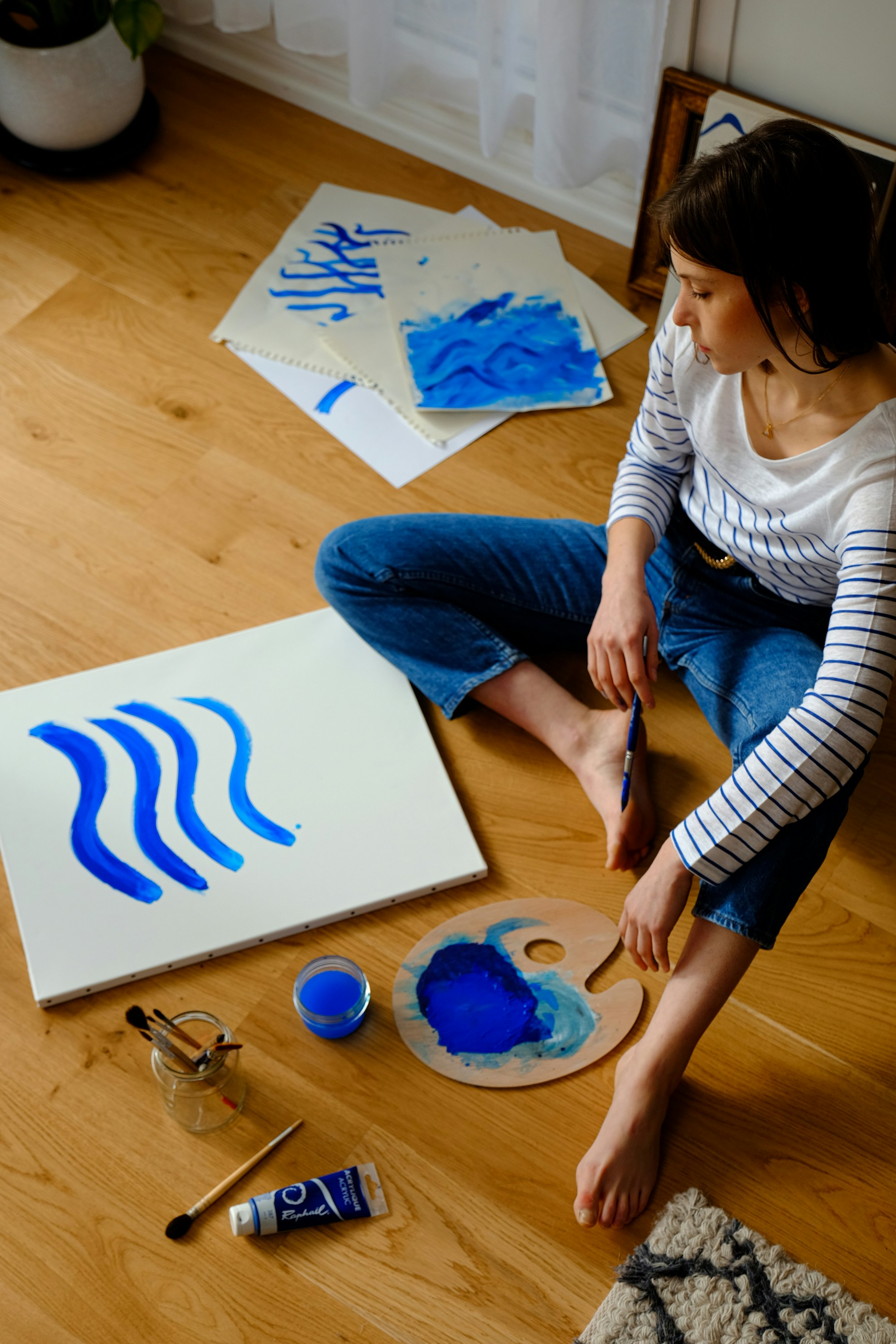
Every child is born an artist. The challenge, as Picasso famously said, is remaining an artist as we grow up. After years of teaching art to children at RT Creativity Hub, I've learned that nurturing young creativity isn't about producing perfect artworks—it's about creating a safe space where imagination can flourish, mistakes are celebrated, and self-expression is encouraged.
The Importance of Creative Expression in Childhood
Art is not just a leisure activity for children—it's a fundamental way they make sense of the world. Through drawing, painting, and creating, children develop critical cognitive skills, fine motor abilities, and emotional intelligence. When a child mixes colors and discovers that blue and yellow make green, they're not just learning about color theory—they're experiencing the joy of discovery and the power of experimentation.
Research shows that children who engage regularly in creative activities demonstrate improved problem-solving skills, better academic performance, and enhanced emotional well-being. Art provides a unique language for children to express feelings they may not yet have words for, making it especially valuable for emotional development and communication.
Creating a Supportive Environment
The environment we create for young artists is crucial. At RT Creativity Hub, our children's art spaces are designed to inspire curiosity while providing structure and safety. Here are key principles we follow:
• Process Over Product: We celebrate the creative journey rather than focusing solely on the final artwork. The mess, the experimentation, the changes of mind—these are all valuable parts of the creative process.
• Freedom Within Structure: While we provide guidance and teach techniques, we always leave room for personal interpretation and creative freedom. A tree doesn't have to be green, and the sky doesn't have to be blue.
• Positive Reinforcement: We focus on specific, encouraging feedback. Instead of "That's beautiful," we might say "I love how you used so many different shades of blue in your ocean."
• No Comparison: Each child's work is unique and valuable. We never compare children's artwork or hold one up as better than another.
• Embrace Mistakes: We teach children that "mistakes" are actually discoveries. That accidental paint splash might inspire a whole new direction for their artwork.
Age-Appropriate Approaches
Different age groups benefit from different approaches to art education:
Early Childhood (4-6 years): Focus on sensory exploration and basic skills. Finger painting, simple collages, and experimenting with different materials build confidence and fine motor skills.
Middle Childhood (7-9 years): Introduction to basic techniques while maintaining creative freedom. This is when children start comparing their work to others, so it's crucial to emphasize personal expression over "correctness."
Pre-teens (10-12 years): More complex techniques and projects that allow for deeper self-expression. This age group benefits from choice and autonomy in their creative decisions.
Our programs at RT Creativity Hub are carefully designed to meet children where they are developmentally while gently stretching their abilities.
The Role of Parents and Educators
Parents and educators play a vital role in nurturing young creativity. Here are some ways to support young artists:
• Display Their Work: Show children that their art is valued by displaying it prominently at home or school.
• Provide Materials: Keep art supplies accessible and encourage regular creative time.
• Ask Open-Ended Questions: Instead of "What is it?", try "Tell me about your artwork" or "What was your favorite part to create?"
• Participate Together: Create art alongside children. This shows that creativity is for everyone and provides bonding time.
• Avoid Over-Direction: Resist the urge to "fix" or overly guide their work. Trust their creative instincts.
At RT Creativity Hub, we work in partnership with parents to create a consistent message that creativity is valuable, mistakes are learning opportunities, and every child has unique artistic gifts to share.
Building Confidence Through Art
One of the most beautiful aspects of teaching art to children is watching their confidence grow. A shy child who barely speaks in class might become animated when describing their artwork. A student who struggles academically might discover they have a gift for color composition or storytelling through images.
Art provides children with a way to succeed that doesn't depend on traditional academic skills. It teaches them that there are many ways to be "smart" and many ways to solve problems. This understanding builds resilience and self-esteem that extends far beyond the art studio.
I've seen countless children transform through art education—not because they became technically skilled artists, but because they learned to trust their creative voice, take risks, and express themselves authentically. These are life skills that will serve them in every endeavor.
Every child deserves the opportunity to explore their creativity in a supportive, encouraging environment. At RT Creativity Hub, we're committed to providing that space—where young artists can experiment, express, and grow. Because when we nurture creativity in childhood, we're not just teaching art—we're helping children discover their unique voice and their place in the world.